October 20, 2026
Basement Waterproofing Warning Signs You Should Never Ignore
By @lorenzongzf105
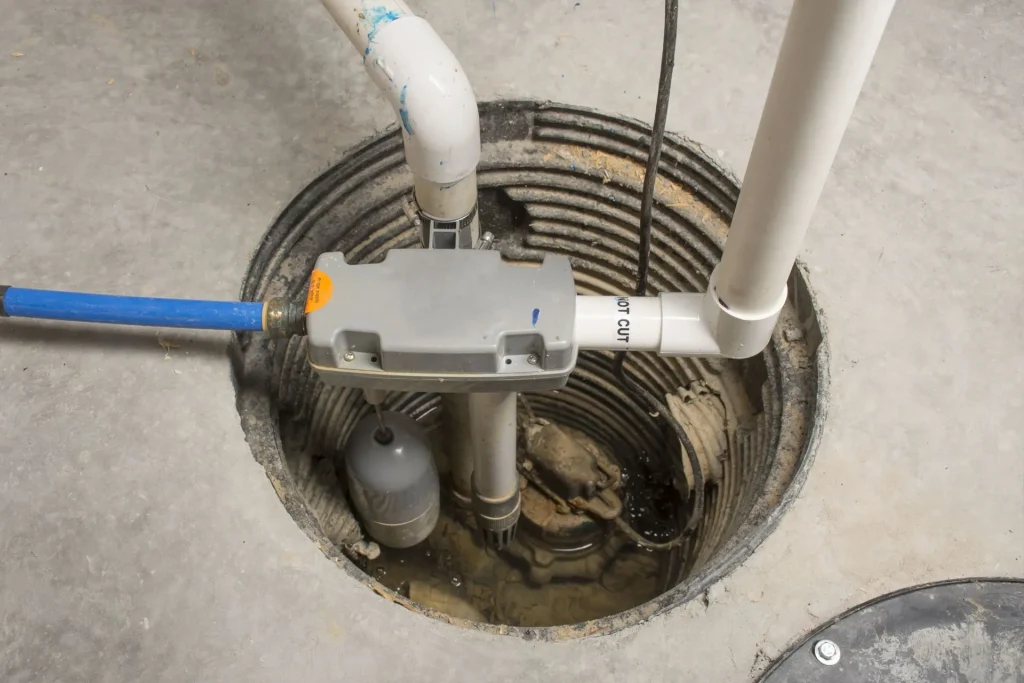


A basement rarely fails all at once. Most of the time, it sends signals for months, sometimes years, before the problem becomes expensive enough to force action. The trouble is that many of those signals are easy to dismiss. A damp smell after a storm seems minor. A thin crack in the wall feels cosmetic. A little white powder on the concrete does not look urgent. Then one heavy rain hits, the sump pump quits, and what looked like a manageable issue turns into soaked flooring, ruined drywall, mold cleanup, and a repair bill nobody planned for.
Basement Waterproofing is one of those home maintenance topics that homeowners tend to postpone because the early warning signs do not look dramatic. That is exactly why those signs matter. Water has patience. It follows the path of least resistance, works through tiny openings, and quietly weakens materials over time. By the time you see standing water on the floor, the actual problem has usually been developing well behind the scenes.
I have seen basements where the owners swore the leak had "just started," even though the clues were all over the room. Rusted appliance feet. Warped baseboards. Stains behind stored boxes. A dehumidifier running nonstop. The basement had been trying to tell the story for a long time.
The first mistake is waiting for a flood
Many people assume waterproofing is only necessary after a serious water event. That is backwards. Flooding is not the first stage of failure, it is the late stage. Earlier signs are subtler, but they are more useful because they give you time to correct drainage, sealing, grading, or pump issues before structural damage and mold take hold.
Basements are vulnerable by design. They sit below grade, which means the surrounding soil can hold water against foundation walls. When the soil becomes saturated, hydrostatic pressure increases. That pressure pushes moisture through pores in concrete, through wall cracks, through cove joints where the wall meets the floor, and around utility penetrations. Even a foundation that looks solid can leak if the drainage conditions around it are wrong.
A homeowner once pointed to a bone dry basement in July as proof that there was no issue. By November, after several sustained rains, water was entering along one corner seam and soaking cardboard boxes. The summer inspection was misleading because the conditions were easy. Basements fail under stress, not during ideal weather.
That musty smell is not harmless
One of the earliest and most commonly ignored warning signs is odor. A musty, earthy smell in a basement is often the first clue that moisture is present even when no water is visible. People get used to it, especially if they spend only a few minutes at a time downstairs. They stop noticing it, or they assume every basement smells that way.
It does not.
A clean, dry basement may smell a little cool or mineral-like because of concrete, but it should not smell stale, moldy, or swampy. Those odors usually mean that moisture is being trapped in porous materials or in stagnant corners with poor airflow. It might be damp framing, wet insulation, carpet backing, stored fabrics, or mold growth behind finished walls.
Odor alone does not tell you exactly where the problem is, but it tells you something important: moisture is lingering long enough to affect materials. That is enough reason to investigate. Running a scented plug-in or stronger dehumidifier without finding the source only masks the problem.
Efflorescence is a quiet but serious clue
If you see a chalky white residue on basement walls or floors, that is efflorescence. It forms when water moves through masonry or concrete, dissolves salts, and leaves them behind as it evaporates. Homeowners often mistake it for dust, paint failure, or a cleaning issue. It is none of those things.
Efflorescence does not always mean liquid water is actively entering the basement at that moment, but it does mean moisture has traveled through the material. Concrete and block walls are porous. When groundwater or trapped exterior moisture pushes inward, mineral deposits can accumulate over time. The residue itself is not dangerous, but it is evidence that moisture migration is happening.
This matters because hidden moisture movement can lead to larger problems later. A wall that repeatedly develops efflorescence is telling you that water management around the foundation is not under control. If you simply scrub it off and repaint, it usually returns.
Cracks deserve context, not panic and not denial
Not every crack means your foundation is failing, but every crack deserves a closer look. The trick is knowing which ones carry more risk.
Hairline shrinkage cracks are common in concrete as it cures, especially in newer construction. A thin vertical line that has not changed in years may be mostly cosmetic. On the other hand, cracks that widen, shift, leak, or run in stair-step patterns through block or brick deserve immediate attention. Horizontal cracks are especially concerning because they can suggest lateral pressure from saturated soil pressing against the wall.
The location matters too. Cracks near corners, around window openings, or along wall-floor joints often become water entry points. Even a small crack can allow repeated seepage under the right conditions. I have seen water travel surprisingly far from the entry point, which is why the damp spot on the floor is not always directly below the crack that caused it.
A practical rule is this: a crack you can monitor is one thing, a crack that changes is another. If it grows, leaks, bulges, or appears with other signs like sticking doors upstairs or sloping floors, it should move to the front of your repair list.
Peeling paint and bubbling finishes usually mean trapped moisture
Finished basements can hide water problems for a long time. By the time a painted wall starts bubbling or a drywall seam swells, moisture has often been active behind the surface. Paint does not peel from concrete or masonry for no https://www.google.com/maps?cid=15618896523686751270 reason. If there is no plumbing leak in that wall, groundwater intrusion is a likely suspect.
This is one reason cosmetic basement remodels can be misleading. Fresh paint, vinyl plank flooring, and finished trim can make a basement look healthy when the wall cavity behind it is damp. I have walked into basements with immaculate flooring and found mold behind the baseboards because moisture was entering at the foundation wall and getting trapped by the new finish materials.
Pay close attention to discoloration at the lower portion of walls, soft drywall, stained trim, and flooring that cups or lifts near exterior walls. Those are not simple wear-and-tear issues in a basement environment. They often point back to moisture.
Water stains tell you where to start looking
Stains are useful because they are historical evidence. They show where water has been, even if the area is currently dry. Brownish streaks, tide lines on walls, dark patches on concrete, rust marks near metal posts, and stains under basement windows all help narrow the search.
When you see a stain, think about timing and pattern. Does it appear after heavy rain, only in spring, or every time snow melts? Is it concentrated in one corner or spread along an entire wall? A single isolated stain near a plumbing run may suggest an interior leak. Repeated marks along a foundation wall point more strongly toward a waterproofing issue.
One homeowner I worked with believed their basement leak came from a floor drain backup because the water always showed up near the center of the room. The wall stains in one corner told a different story. Water was entering along the perimeter, running beneath the finished floor underlayment, and surfacing at the low point. Without reading those clues carefully, they would have solved the wrong problem.
High humidity is a warning sign even without visible water
A basement can have a moisture problem without drips, puddles, or obvious seepage. Relative humidity that stays high for long periods can create enough dampness to damage stored items, encourage mold, and make the whole level uncomfortable.
In practical terms, if your basement regularly feels clammy, if metal tools rust unusually fast, or if a dehumidifier fills quickly day after day, it is worth taking seriously. Indoor humidity can come from several sources, but in a basement the surrounding ground is often a major one. Moisture vapor can move through concrete slabs and walls even when no bulk water intrusion is visible.
This matters because vapor problems often get dismissed as "normal basement conditions." They are common, yes. Normal, no. A dry basement should not require heroic dehumidification to stay usable. If it does, you may need to look at exterior drainage, interior drainage systems, vapor barriers, or sump performance rather than treating the symptom forever.
Watch the floor, not just the walls
People naturally inspect walls for leaks, but the floor often gives away a problem first. Damp spots on bare concrete, especially near the perimeter, can indicate seepage at the cove joint where the wall meets the floor. This joint is a frequent weak point because it is not always watertight under pressure.
You may also notice lifting tiles, darkened grout lines, or a powdery surface where moisture repeatedly evaporates. If the slab sweats during humid weather, that may be condensation, but if the dampness appears after rain or seasonal thaw, groundwater is more likely. The distinction matters because the fix is different.
A basement floor that feels consistently cold and slightly wet under rugs is another red flag. Rugs and boxes can trap moisture and hide the extent of the issue, which is why finished or heavily stored basements often look better than they are.
Mold is not the beginning of the problem
By the time mold appears, moisture has already won several rounds. Mold is a consequence, not the root cause. Treating it without solving the water entry or humidity issue is a short-term cleanup, not a repair.
Basement mold does not always present as dramatic black patches on exposed walls. It can show up as small speckles on wood, fuzzy growth on stored cardboard, staining on fabric bins, or a persistent odor with no obvious surface growth. In finished spaces, it may be hidden behind insulation, paneling, or lower drywall.
Health sensitivity varies from person to person, but the building risk is universal. Mold means materials are staying damp enough to support growth. That is exactly what you want to stop early. Once drywall, insulation, carpet, and trim stay wet long enough, removal often becomes more practical than drying.
Your sump pump may be warning you before it fails
A sump pump is one of those systems that homeowners forget until it does not work. Yet many wet basement emergencies happen because the pump was already showing signs of trouble and nobody recognized them.
Listen for unusual cycling, grinding noises, or a pump that runs constantly during moderate weather. Check whether the discharge line is clear and actually moving water away from the house. Look for rust, debris in the pit, or a float that sticks. If the pump activates too often, the issue may be poor exterior drainage or a high water table. If it does not activate when it should, the danger is obvious.
These are the sump pump warning signs that deserve quick attention:
- The pump runs but does not discharge water effectively.
- It short cycles, turning on and off too frequently.
- It makes new noises, especially rattling or grinding.
- The pit stays unusually full after storms.
- There is no battery backup in an area prone to outages.
Power failures and heavy storms often arrive together. That combination catches people off guard every year. If your waterproofing strategy depends on one aging pump with no backup, you have a vulnerability.
Exterior clues often explain the basement symptoms
Not every waterproofing problem starts inside. Some of the best clues are outdoors, especially after rain. Walk the perimeter of the house and pay attention to where water collects, how the ground slopes, and what the gutters are doing.
A downspout that dumps water a foot from the foundation can overload even a decent drainage system. Soil that slopes toward the house instead of away from it can funnel runoff directly to the wall. Settled backfill near the foundation can create a trough that holds water. Even something as simple as a clogged gutter can soak one wall section repeatedly.
Window wells deserve special mention. If they fill with leaves, mulch, or standing water, they can become direct pathways for leaks into basement window frames. I have seen window well drains clogged solid with silt, turning a moderate rain into an interior leak that looked mysterious until the cover was lifted.
When warning signs point to structural risk
Most basement moisture issues begin as waterproofing or drainage problems, but left alone they can contribute to structural damage. Water is relentless. Repeated saturation can weaken mortar joints, promote freeze-thaw deterioration in some climates, and increase soil pressure against walls. Over time, that pressure may bow foundation walls or worsen existing cracks.
These signs suggest the problem may be moving beyond routine dampness:
- Horizontal wall cracking or noticeable bowing.
- Stair-step cracks in masonry that keep growing.
- Doors or windows above the basement that suddenly stick.
- Water entering through multiple areas at once after rain.
- Foundation walls that feel damp nearly all the time, not just seasonally.
At that stage, you are no longer talking only about comfort, storage, or mold prevention. You may be protecting the house itself.
Why quick fixes often disappoint
There is a reason basement waterproofing has a reputation for frustration. People often try the least disruptive fix first, even when the symptoms clearly suggest a bigger issue. They paint over the wall with waterproof coating, caulk a crack without addressing outside drainage, or run two dehumidifiers while ignoring standing water near the foundation.
Surface products have a place, but they are not magic. If hydrostatic pressure is pushing water through a wall, paint is unlikely to stop it for long. If the grading is wrong, sealing from the interior may buy time but not solve the root cause. If a crack is actively moving, a cosmetic patch will not keep up.
This is where experience matters. The right solution depends on the source. Sometimes the answer is remarkably simple, extending downspouts, regrading one side of the house, or cleaning a blocked drain line. Other times it requires an interior perimeter drainage system, a sump upgrade, crack injection, exterior excavation, or a combination. Good diagnosis saves money because it prevents partial fixes that fail.
What to do when you spot a warning sign
The best response is calm but prompt. You do not need to tear out walls the same day you notice a stain, but you do need to start gathering evidence while conditions are fresh. Take photos, especially after storms. Note dates, weather, and where moisture appears. Measure humidity if the basement feels damp. Move stored items away from suspect walls. Check gutters, downspouts, and grading before the next rain.
If the issue is recurring, bring in a qualified waterproofing or foundation professional rather than waiting for the worst storm of the year to settle the question for you. A good inspection should explain not just what is wet, but why it is wet. That distinction matters more than any sales pitch.
The cost of early intervention is almost always lower than the cost of delay. Once water reaches drywall, insulation, flooring, furniture, and electrical components, the repair scope expands quickly. Add mold remediation or structural correction and the numbers climb fast.
The signs are usually there if you know how to read them
Basement problems rarely stay small because moisture rarely stays still. It spreads, wicks, evaporates, returns, and works on every weak point it can find. The sooner you treat musty odors, staining, efflorescence, cracks, humidity, and sump pump trouble as meaningful signals, the better your odds of avoiding a major repair.
A dry basement is not luck. It is the result of managing water before it gets a vote inside the house. If your basement is already sending warnings, believe them.
ARD Waterproofing
98 Smull Ave, West Caldwell, NJ 07006, United States
+1 917-691-8411
FAQ About Basement Waterproofing
Can you 100% Waterproof a Basement in West Caldwell?
A properly designed system can substantially reduce basement water intrusion, but no method can promise protection against every flood, equipment failure, or future change in site conditions. The first step is identifying whether moisture comes from surface runoff, groundwater, plumbing, or condensation. Solutions may include grading and gutter improvements, drainage, foundation repairs, and a sump system. Review the specific coverage and exclusions of any written warranty.
How much does it cost to professionally waterproof a basement in NJ?
There is no single price that fits every basement. Cost depends on the cause of the leak, the area needing work, access, excavation requirements, drainage design, sump equipment, and restoration of disturbed finishes or landscaping. Request an on-site assessment and an itemized written estimate that explains the scope, exclusions, and maintenance requirements before comparing proposals.
How long does foundation waterproofing last in West Caldwell, NJ?
Service life varies with the waterproofing materials, installation quality, soil and water conditions, and maintenance. Drainage components and pumps may require servicing or replacement even when other parts of the system remain functional. Keep gutters, drainage outlets, and sump equipment maintained, and have recurring leaks or changes in foundation condition assessed. Ask for product-specific expectations and written warranty terms rather than relying on one lifespan for the entire system.
❧